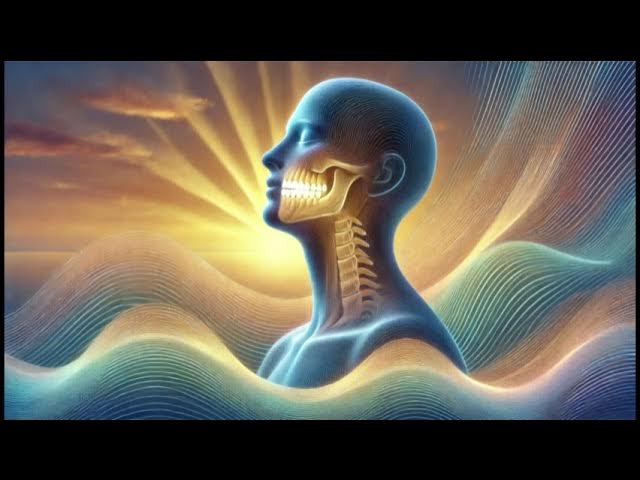
** Subliminal for Bruxism**
Bruxism is a common condition characterized by involuntary grinding or clenching of teeth, typically during sleep. Although it may seem harmless at first, bruxism can lead to a range of short- and long-term complications, as well as discomfort. Here’s a deeper look at its impacts and causes:
### **Problems Caused by Bruxism**
1. **Dental Issues**
– **Tooth Damage**: Constant grinding can lead to enamel wear, fractures, and even tooth loss. Over time, teeth may become shorter and more sensitive.
– **Gum Recession**: Excessive pressure on the teeth may contribute to gum issues, such as recession, exposing the roots and increasing the risk of periodontal disease.
– **Temporomandibular Joint (TMJ) Disorders**: Bruxism often leads to jaw pain, stiffness, or clicking sounds, which are signs of TMJ problems.
2. **Facial and Head Pain**
– **Jaw Pain and Fatigue**: Overuse of the jaw muscles during grinding can cause soreness and difficulty in movement.
– **Tension Headaches or Migraines**: Persistent grinding can trigger headaches, often concentrated around the temples.
3. **Sleep Disruption**
– **Insomnia or Poor Sleep Quality**: Bruxism can disturb your own sleep or that of a bed partner due to noise from grinding.
– **Daytime Fatigue**: The disrupted sleep cycle may result in chronic tiredness or difficulty concentrating.
4. **Psychological Impact**
– **Increased Stress or Anxiety**: The physical discomfort caused by bruxism can exacerbate mental stress, creating a cycle of tension.
### **Causes of Bruxism**
1. **Stress and Anxiety**
– Emotional stress is a leading cause of bruxism. People under pressure often carry tension into their sleep, manifesting as teeth grinding.
2. **Sleep Disorders**
– Conditions like sleep apnea, snoring, or insomnia are often linked to bruxism, as the brain may signal clenching as a response to airway blockages or restless sleep.
3. **Lifestyle Factors**
– **Caffeine and Alcohol**: Excessive consumption of stimulants or alcohol can increase the likelihood of bruxism.
– **Smoking**: Tobacco use has also been associated with an increased risk.
4. **Dental Misalignment**
– When teeth do not align properly, the jaw may unconsciously adjust by grinding or clenching.
5. **Medications and Health Conditions**
– Certain medications, especially antidepressants or antipsychotics, may list bruxism as a side effect.
– Neurological conditions like Parkinson’s disease may also contribute.
### **Conclusion**
Bruxism is more than a nighttime habit; it can have significant effects on physical health, mental well-being, and overall quality of life. Addressing its root causes through stress management, dental interventions, or therapies can prevent long-term damage.
It has positive affirmations designed to help you overcome bruxism, improve sleep quality, and reduce stress. These affirmations work on a subconscious level to address underlying causes and promote calmness and well-being.
If you have trouble falling asleep or the quality of your sleep is not good, you can use the following audio: https://youtu.be/4Cg-BJ1Qu9c
#Bruxism #TeethGrinding #StressManagement #tmjdisorder #SleepQuality #JawPain #TeethHealth #MentalWellBeing #GrindingTeeth
#SleepApnea #Insomnia #StressRelief #TMJ #OralHealth #JawHealth #StressReduction #WellBeing #subliminal #subliminalmethods


![Immunity to Entities, Demons, [...] Siddhi](https://subliminalquality.com/wp-content/uploads/2026/05/Immunity-to-Entities-300x300.webp)

Reviews
There are no reviews yet.